
Article by Kaveri Deepak | Writer for The Universe
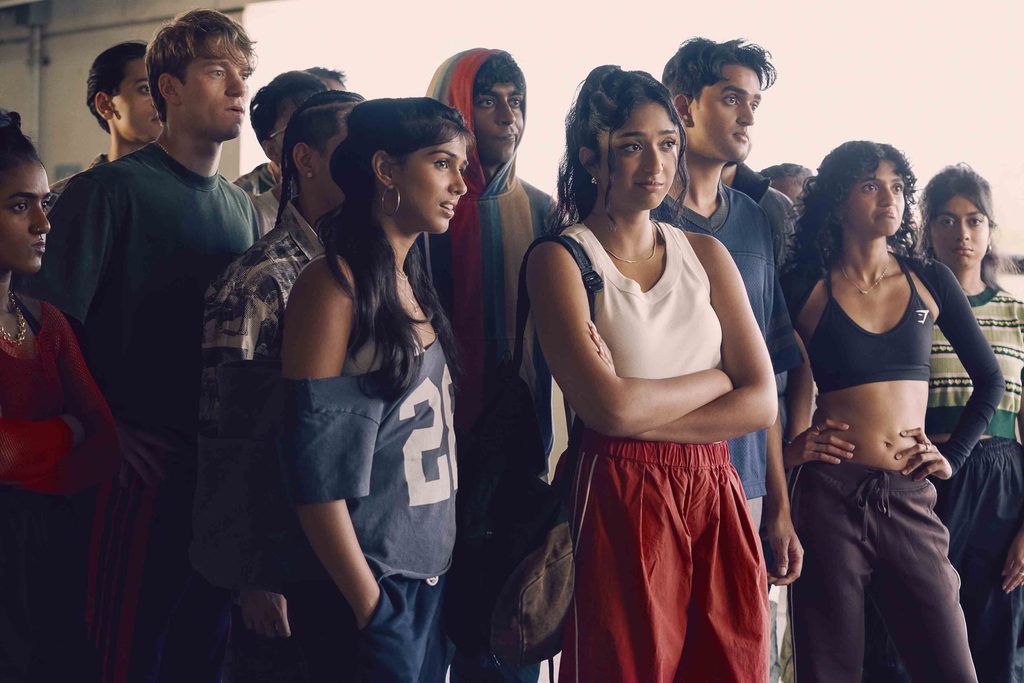
Photo from Netflix
When people think of competitive dance on television, shows like Lifetime’s Dance Moms often come to mind. The yelling, rivalries, intense rehearsals and pressure to win turned competitive dance into entertainment for millions of viewers.
But there is another competitive dance world that mainstream entertainment has rarely explored: South Asian collegiate dance.
Netflix’s Best of the Best brings that world to the screen, following childhood best friends Maya and Anjali as they join UCLA’s competitive Bollywood-fusion dance team. Between demanding rehearsals, friendships, rivalries and the pressure of competition, the movie shows a side of college life that many South Asian students across the country have experienced for years.
The film’s creators, Hasan Minhaj and Prashanth Venkataramanujam, have said that the story was inspired by the Bollywood-fusion dance competitions they encountered during college. They described collegiate South Asian dance teams as places where students can find community, celebrate their culture and dedicate hours outside of school to preparing for competitions.
That culture is not limited to the universities portrayed on screen.
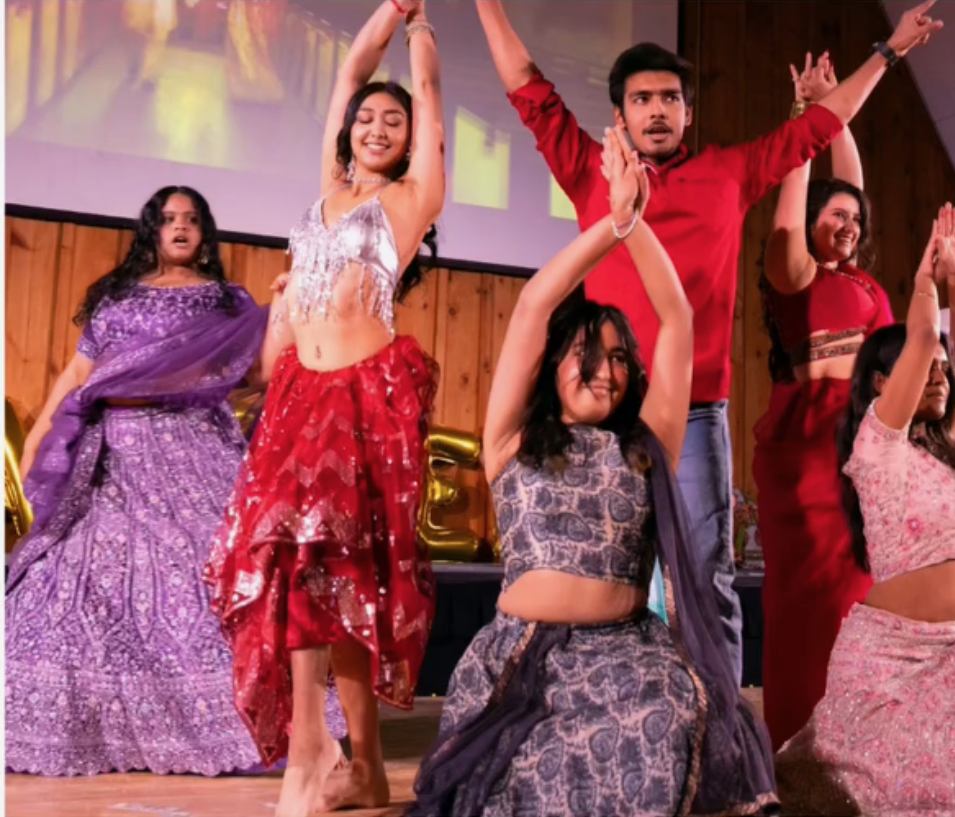
Syracuse University Desi Performance
At Syracuse University, Desi Performance gives students a space to perform South Asian dance and music while celebrating the different cultures represented within the South Asian community. The organization describes itself as a performance group built around dance, music, creative expression and cultural community.
For students involved in groups like Desi Performance, the exaggerated dedication shown in Best of the Best may not seem as unfamiliar as it does to the average Netflix viewer. Practices can take hours, choreography has to be learned and cleaned, costumes have to work with the performance and dancers have to move together as one team.
In that way, Best of the Best does for South Asian collegiate dance what entertainment has long done for cheerleading, football and traditional competitive dance: it takes a world that already exists and puts it in front of an audience that may never have seen it before.
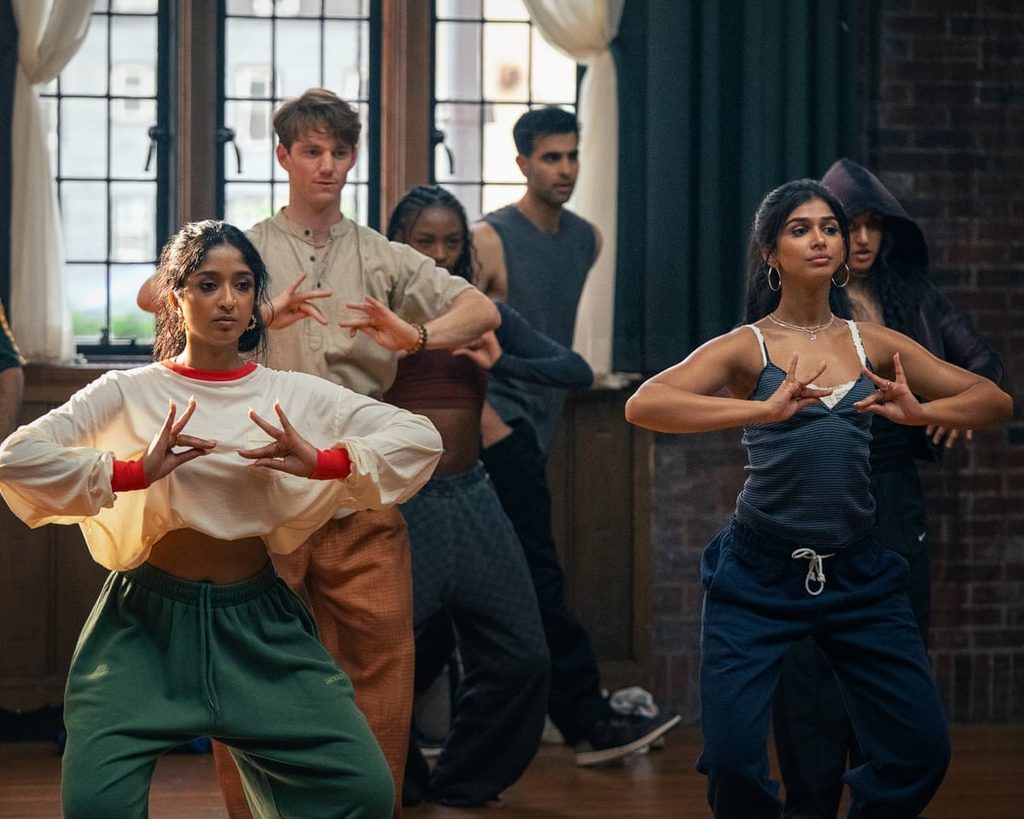
Image by Emily V. Aragones/Netflix
But greater visibility can also create new problems.
Only weeks after the movie was released, one of its costumes became the center of an online controversy.
Content creator Natasha Thasan, who is known online for her sari styling and draping content, accused the Best of the Best team of borrowing one of her sari-draping styles for a look worn by Maya, played by Maitreyi Ramakrishnan.
Thasan compared the purple, blouseless drape seen in the movie with looks she had previously posted online and argued that the similarities were more than inspiration. She said that her creative work and what she described as her “essence” had been used without proper involvement or compensation.
Ramakrishnan disagreed.
She responded that she had spoken with Thasan while the movie was being filmed and that the costume designer had publicly acknowledged Thasan as an inspiration. Ramakrishnan also pointed toward something much older than either the movie or Instagram: the history of blouseless sari draping within Tamil culture.
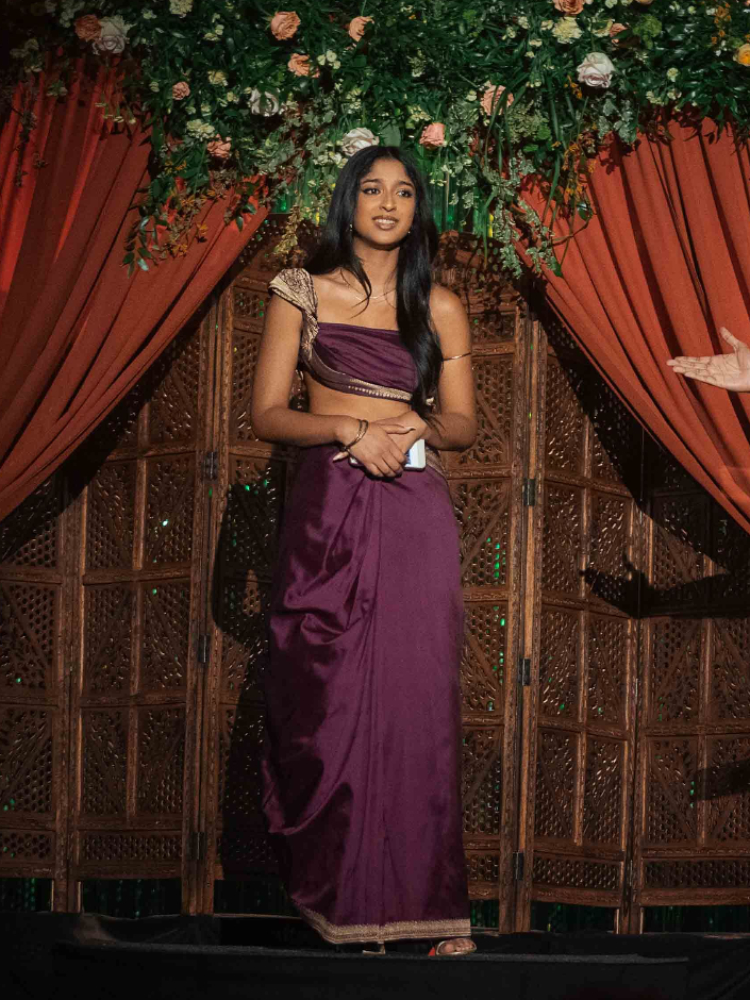
Image from The Nog Magazine | Netflix
The argument quickly became much larger than one purple sari.
It raised a complicated question: Can someone own a way of wearing something that has existed within a culture for generations?
The sari does not have one universal way of being worn. Different regions and communities throughout South Asia have developed different draping methods over generations. Even the blouse and petticoat combination that many people now associate with a traditional sari has its own evolving history.
That does not necessarily mean modern creators cannot deserve credit.
Someone can research traditional techniques, reinterpret them and introduce them to a new generation. A creator can also develop a recognizable aesthetic around those techniques. The more difficult question is where inspiration ends and ownership begins.
That question becomes even more complicated when social media is involved.
The person who made something viral is different from being the person who invented it.
That distinction sits at the center of the Best of the Best controversy.
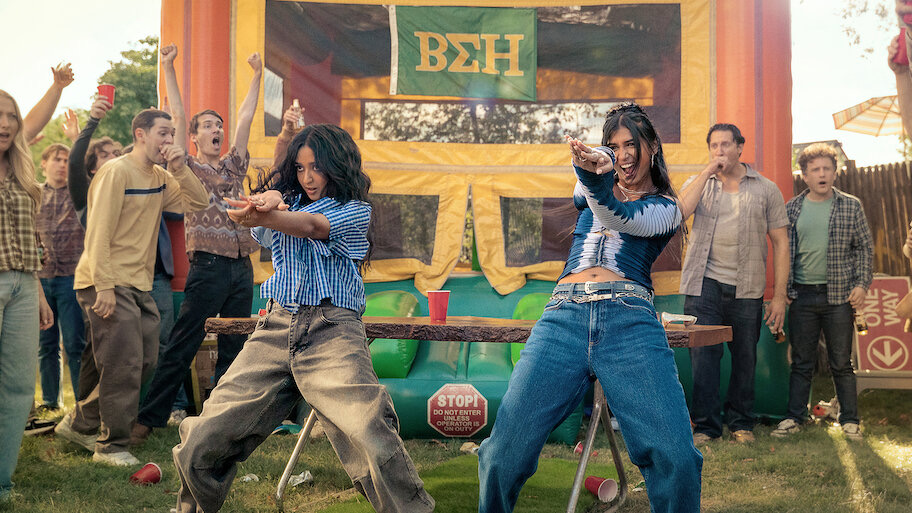
Photo from Netflix
After receiving criticism, Thasan deleted her videos about the dispute and later apologized, saying she had listened to the responses surrounding the issue. The conversation, however, continued because it had already raised a larger debate about creative credit and cultural ownership.
And that debate is especially interesting because of what Best of the Best represents.
For decades, South Asian college students have participated in Bollywood, bhangra, classical and fusion dance teams without seeing that part of their lives regularly represented in mainstream American entertainment. Best of the Best changes that by placing South Asian collegiate dance at the center of a Netflix movie rather than treating it as a background cultural moment.
The movie therefore does more than show people dancing.
It brings the practices, fashion, music, competition and culture surrounding those teams to an audience far beyond the students who participate in them.
Groups like Syracuse University’s Desi Performance show that the world represented in the movie does not end when the credits roll. Similar communities exist on college campuses, where students continue adapting traditional dance and fashion while mixing them with modern music, choreography and performance styles.
“I would say yes because dance is such an integral part of South Asian culture, as it is a way we are brought together to share an art form with so many people from different places. The way they portrayed it was truthful, as it is something that we are exposed to growing up and brings us closer to our roots.” Says Shruti, a Sophomore in Architecture.
That constant blending of old and new may also be why arguments over ownership become so difficult.
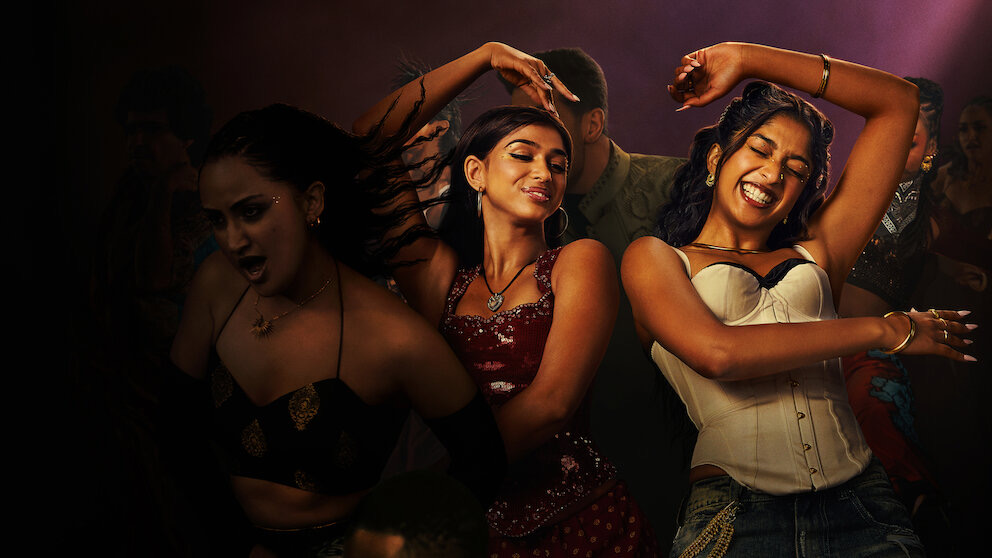
Photo from Netflix
South Asian collegiate dance itself is built around fusion. Classical Indian styles can appear alongside Bollywood, hip-hop and contemporary choreography. Traditional clothing can be altered for movement or incorporated into modern costume designs. Music from different languages, countries and generations can appear within the same performance.
Creativity comes from combining influences.
The question is how creators acknowledge those influences without claiming ownership over traditions that existed long before them.
Best of the Best may have brought South Asian competitive dance to a much larger screen, but the controversy surrounding one of its sari looks shows what can happen when culture becomes content.