
Article by Kaveri Deepak | Staff Writer for The Universe
Olivia Rodrigo’s third album tour started on Sept. 25, 2026. It supports her album You Seem Pretty Sad for a Girl So in Love, an album that Rodrigo says reflects her first experience in an adult relationship. The album had three singles released: “Drop Dead,” “The Cure,” and “Stupid Song,” all of which had commercial success almost immediately after their release.
The promotions for the three songs featured outfits that caused the public to question Rodrigo’s styling choices. Rodrigo wore a babydoll dress that some people online called “pedo-baiting.” In this case, people used the term to criticize the combination of childlike fashion elements with an adult performer.
Rodrigo mentioned that she had previously worn a sparkly bra and shorts on her older tours, which she says contradicts the statements people are now criticizing her for. She explained that she is actually covering herself more with the babydoll dresses and questioned why these outfits are receiving even more backlash.

Photo by Nog Magazine
The controversy has created a larger conversation around the way female artists are judged for what they wear. Rodrigo has faced criticism when wearing more revealing outfits, but she is now also being criticized when wearing clothing that covers more of her body. This raises the question of whether female performers can ever avoid backlash over their appearance.
Rodrigo also argued that the reaction to her outfits highlights a larger issue involving the normalization of pedophilia. Instead of questioning why some people automatically sexualize clothing that appears youthful or feminine, the criticism is placed back on the woman wearing it. Rodrigo has questioned why she should be held responsible for the way other people choose to interpret her clothing.
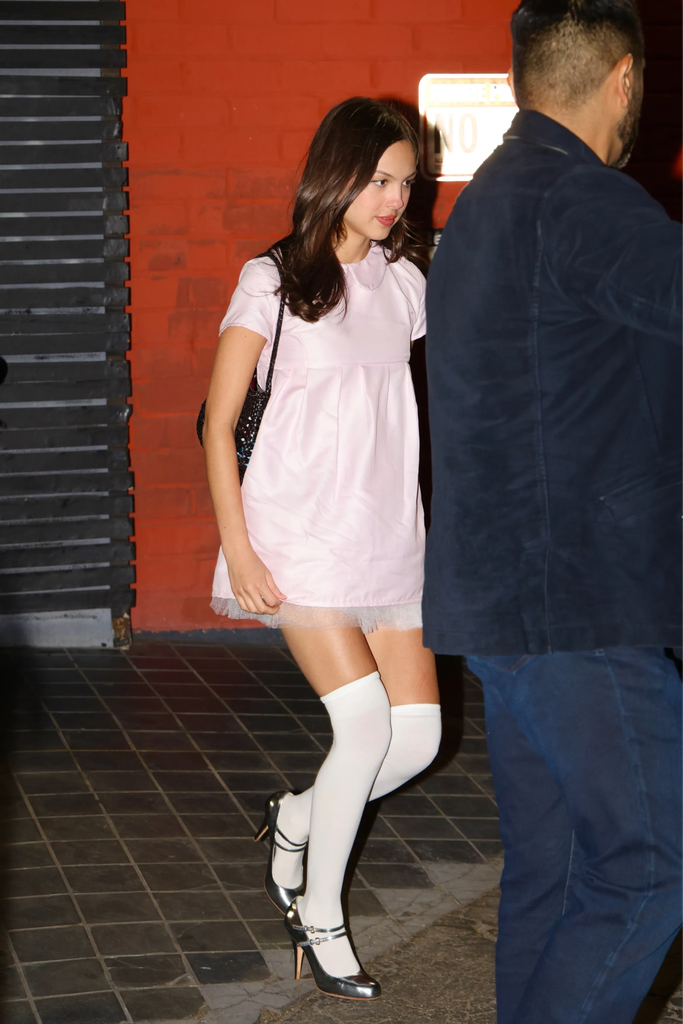
Photo by Vogue Magazine
This debate goes beyond Rodrigo and one tour outfit. Female artists are often criticized for being too revealing, too conservative, too mature or too youthful, creating a standard that seems almost impossible to meet. If Rodrigo wears a sparkly bra and shorts, she can be criticized for showing too much. If she wears a babydoll dress that covers more of her body, she can still be criticized because some viewers decide that the style looks too young. The issue then becomes less about the clothing itself and more about the constant scrutiny placed on women in entertainment.
For Rodrigo, the backlash surrounding her babydoll dresses shows how quickly fashion can turn into a larger argument about sexuality, femininity and responsibility. The question is no longer simply whether people like what she is wearing. It is why an adult woman’s clothing can so quickly become connected to a conversation about pedophilia, and why the responsibility for how other people choose to view her continues to fall back on her.