
Article by Mya Todd | Editorial Writer for The Universe
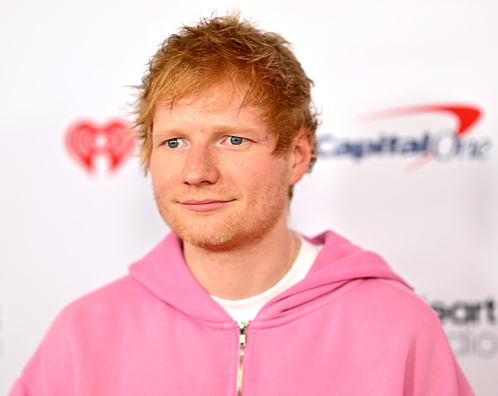
Photo by Getty Images
Ed Sheeran has recently come under fire for the dropping of Macklemore from his North American Stadium tour following his on-stage pro-Palestine remarks. Since then, there has been a general outpouring of support for Macklemore, with other opening acts dropping out of Sheeran’s tour. A decline in ticket prices and sales for Sheeran’s shows seems to convey where many of his fans stand on the issue. Sheeran has since apologized, saying that he “never wanted to be an activist musician” and that the decision made to drop Macklemore was not his but his promoters’. Though Sheeran attempted to put distance between himself and a very divisive issue to avoid controversy, it only pushed him further into the political spotlight. This begs the question: when a musician rises to fame, are they obligated to speak on or support political issues? It seems that these days, the answer is yes.
When looking back through history, music and politics have always been intertwined. During the civil rights movement in the 1950s and 60s, music was used as a tool to campaign for an end to racism. Nina Simone, an American composer, wrote songs such as “Mississippi Goddam” that were used in protests. Decades later, songs were written that captured people’s anger and outrage about horrific events, like the Beach Boys’ song “Student Demonstration Time” to protest the Kent State Shootings. More recently, artists like Kendrick Lamar have written music that heavily discusses social and racial commentary. Comparing popular artists both currently and in previous decades, it’s hard to find someone who is completely separated from the political sphere.
In recent years, artists speaking out on either side about political issues have caused fans to rethink if they want to continue listening to and supporting the artist. In the past, Kanye West has spewed disturbing and hateful rhetoric through Twitter, including voicing antisemitic sentiments. This caused confusion and outrage amongst his fanbase, with many people refusing to listen to his music altogether. On the opposite end of the spectrum, early in Taylor Swift’s career, there was a large conversation over which political party she supported. She eventually broke her silence during the 2018 midterm elections by endorsing Tennessee Democrat Phil Bredesen for Senate. Her political support caused a large republican backlash, with many former fans claiming that she had ruined her career. Perhaps this could be one reason why Sheeran was hesitant to share his political beliefs, although it seems to have backfired.
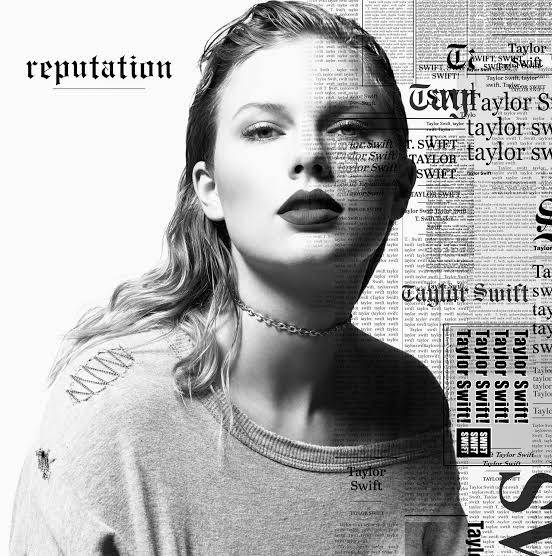
Photo by Taylor Swift | Reputation Album Photo
Since the incident, Sheeran has apologized profusely. He opened his concert at Philadelphia’s Lincoln Financial Field by telling the crowd that “I’ve had to take and make difficult decisions, and I am making mistakes, and I’m so, so sorry.” Some fans speculate whether this apology is sincere or simply an attempt to gain back the support he has lost from many of his fans. From this incident, it is clear that society appreciates when a celebrity stands their ground on political issues, because if you don’t stand for something, what will you fall for? While music and politics may not seem inherently connected, their continued overlap makes true impartiality increasingly difficult for artists.